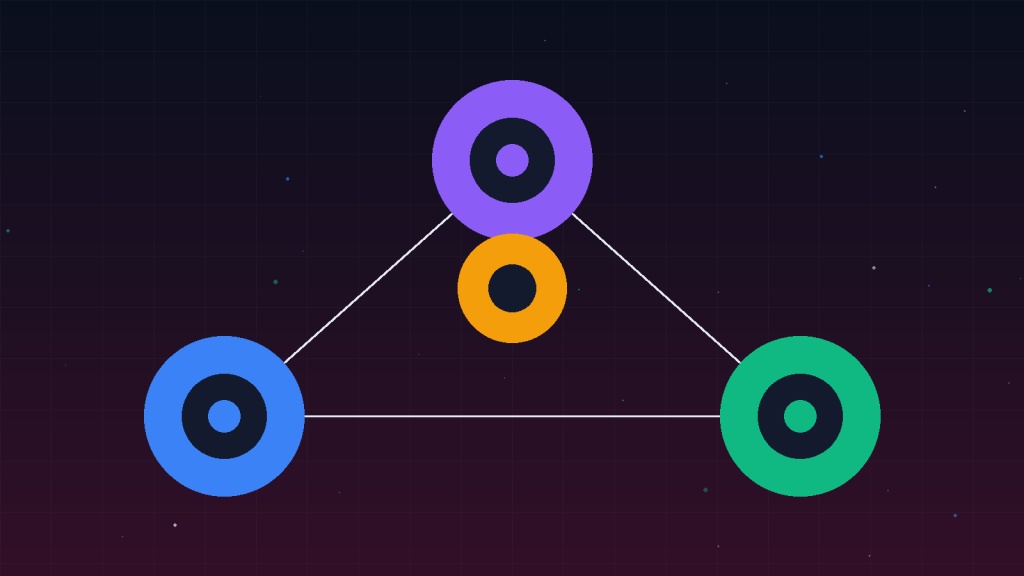
A single AI agent is powerful, but some tasks are too complex for one agent to handle well. A research task might require gathering data, analyzing it, and writing a report — three distinct skills, each better served by a specialized agent. Multi-agent systems solve this by assigning different roles to different agents and having them collaborate.
When to Use Multiple Agents
Multi-agent systems shine when a task naturally decomposes into specialized roles: a researcher that gathers information, a writer that drafts content, and a reviewer that checks quality. They also help when different steps need different models — a cheap model for simple lookups, a frontier model for complex reasoning. But multi-agent adds overhead: more LLM calls, more coordination logic, more failure points. Use it only when a single agent genuinely cannot handle the task.
Frameworks: CrewAI vs. LangGraph vs. AutoGen
CrewAI is the easiest to reason about — you define agents with roles, goals, and backstories, then assign them tasks. It feels like managing a team. LangGraph gives you graph-based orchestration with explicit state, which is more work to set up but offers finer control over message flow and branching. AutoGen (Microsoft) focuses on conversational agents that talk to each other, useful for debate-style or peer-review workflows.
The Coordination Problem
The hardest part of multi-agent is not building the agents — it is coordinating them. You need to decide: Who speaks first? How does one agent pass work to another? What happens when agents disagree? How do you prevent infinite loops where two agents keep asking each other questions? Start with a simple sequential pattern (Agent A → Agent B → Agent C) before attempting parallel or conversational patterns.